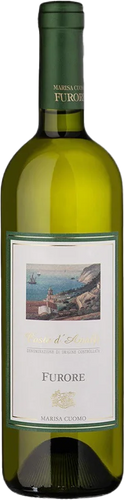


Description
Cantine Astroni is a family-run winery in the Phlegraean Fields near Naples, founded in 1999 by the Varchetta family as a fresh, modern chapter in a story that actually started back in 1892 with Vincenzo Varchetta’s decision to turn his passion for wine into his vocation. After the Second World War, his son Giovanni (“Don Giovanni”) expanded and consolidated the business, passing his knowledge to his children and grandchildren and anchoring the family firmly in Campania’s vineyard culture. Building on four generations of experience, the family built Cantine Astroni on the outer slopes of the Astroni volcanic crater, now a WWF nature reserve, with the dual aim of preserving local grape varieties and showcasing the unique volcanic terroir. Today the estate focuses on native Campanian grapes—especially Falanghina and Piedirosso from pre-phylloxera vineyards—using modern viticulture and vinification techniques to produce wines that reflect both the geological character of the crater and the long Varchetta family legacy.
Lacryma Christi ("Tear of Christ") is a historic wine from the slopes of Mount Vesuvius in Campania, Italy, named after a legend, that Christ's tears of joy fell there, creating the vines. The 2024 CRATERE BIANCO Lacryma Christi del Vesuvio is a blend of organically farmed Caprettone and Falanghina grown on sandy volcanic soils around Vesuvius. The grapes were picked and sorted by hand; in the cellar, the berries got a short, cold soak to extract varietal aromas and flavors without any harshness. Fermentation was in temperature controlled stainless-steel vats—no oak, no heavy tricks—just a cool, slow fermentation to keep things bright and citrusy. The resulting wine was aged for a few months on the lees in stainless steel before bottling. The nose is bright and lifted, with lemon zest and green apple, with notes of white flowers, crushed shell, and a faint smoky, volcanic note. The palate is very fresh, with juicy acidity that carries flavors of citrus, green plum, and a touch of herbal bitterness, like tonic or grapefruit pith. A subtle creamy feel from lees contact rounds the mid palate without making it heavy, keeping everything tight and linear. The finish is clean, saline, and slightly savory, leaving a chalky, mineral impression that invites another sip.